
Feedback
AI Ad Video Example
Loading...
MiniMax H3 prompt
Turn a rough idea into a working MiniMax H3 prompt: describe your scene, add camera and sound notes, and render a 2K clip with stereo audio.
All Tools
Discover our comprehensive AI-powered animation toolkit
MiniMax H3
MiniMax H3 AI Video Generator
Seedance 2.5
The Future of AI Video Is Here.
Seedance 2.0
The Future of AI Video Is Here.
Kling 3.0
Next-Gen AI Video Generator
MiniMax H3 video generator
MiniMax H3 AI Video Generator
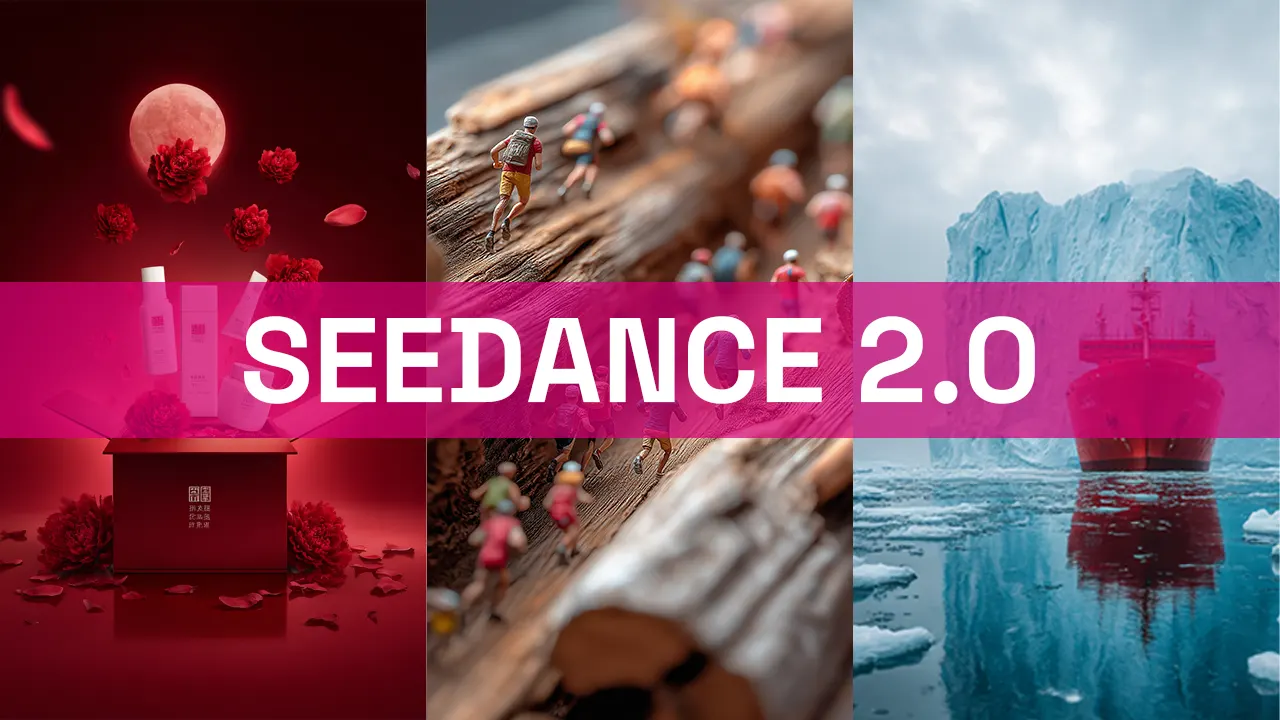
Seedance 2.0
The Future of AI Video Is Here.
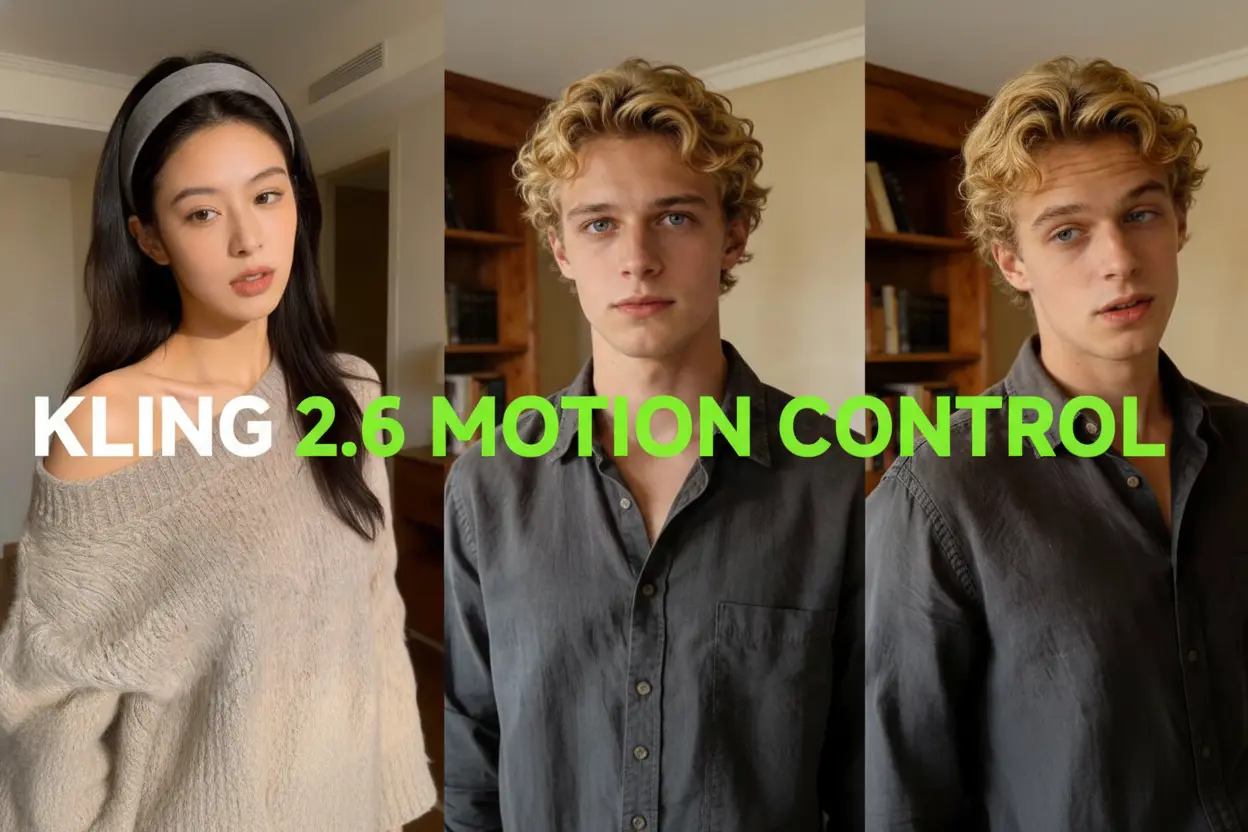
Kling Motion Control
Turn reference images into amazing motion videos in minutes
Sora2 AI
Advanced AI Video Generator for High-Quality Videos
Why the MiniMax H3 Prompt Rewards Careful Writing
The MiniMax H3 prompt format rewards planning. It drives an open-weight, general-purpose multimodal video model that returns 5-15 second, 2K, 24fps footage with native stereo audio. Because one request holds up to 7,000 characters, you can label what every reference asset is for, map beats onto a timeline, describe lens behaviour and sound, and keep the same character recognisable from the first cut to the last.
- Label Every ReferenceName the job of each upload inside your MiniMax H3 prompt — mood board, on-screen talent, product shot, visual style, or voice track — so the model never has to guess what an asset is for.
- Timed Beats, Not SlideshowsSplit a scene into [0-2s] and [2-4s] blocks so one MiniMax H3 prompt carries genuine narrative rhythm instead of drifting through a slow sequence of near-still frames.
- Sound Design in the Same LineScore, foley, and dialogue receive the same detail as visuals in a MiniMax H3 prompt — describe sub-bass hits, hi-hat placement, footsteps, and exactly when a spoken line lands.
Four Steps to a Stronger MiniMax H3 Prompt
Follow four steps to shape a MiniMax H3 prompt that produces 2K footage with audio locked to the picture.
Core Techniques Behind Every MiniMax H3 Prompt
Practical techniques that make a MiniMax H3 prompt reliable — reference roles, timed beats, sound cues, exclusions, identity locking, edit constraints, cinematic language, and physical transitions — for precise, professional video generation.
Exclusions That Actually Work
Say what you do not want in the MiniMax H3 prompt — 'no soft dissolves', 'no garbled characters', 'no jump scares' — and the model steers away from producing it.
Consistency Across Cuts
Keep characters, products, and settings recognisable by naming defining details in the MiniMax H3 prompt: hair, wardrobe, props, and typography all stay stable.
Targeted Edits, Not Rebuilds
When you change something, state in the MiniMax H3 prompt what has to remain the same, so you get a localised fix rather than a fresh full regeneration.
Talk Like a Camera Operator
Borrow real film vocabulary in the MiniMax H3 prompt — shot scale, lens compression, exposure, handheld shake, rack focus, wide-angle distortion, grain — to shape the look.
Cuts as Movement, Not Effects
Describe a transition by what causes it — a whip pan, motion blur, light flicker, optical smear — which lands better in a MiniMax H3 prompt than simply naming an effect.
7,000 Characters of Room
A full shot list, timed beats, sound design, and constraints all fit inside one MiniMax H3 prompt, so an entire scene ships in a single request.
MiniMax H3 Prompt FAQ
Answers to the questions people ask most when they start writing a MiniMax H3 prompt for video generation.
What exactly is a MiniMax H3 prompt?
It is the text instruction you hand to MiniMax's open-weight multimodal video model. A well-built MiniMax H3 prompt covers reference roles, timed beats, sound direction, exclusions, identity locking, and camera language, and it renders 2K video with native stereo audio.
How much text can one prompt hold?
Up to 7,000 characters — plenty of room for a complete shot list with timed beats, camera notes, audio design, and constraints inside a single MiniMax H3 prompt.
Can I upload several references at once?
Yes. Give each one a job in the MiniMax H3 prompt, such as 'Image 1 for mood, Image 2 for talent, Audio 1 for voice'. Each request supports up to 9 images, 3 video clips, and 3 audio files.
Do I need to write sound into the prompt?
Absolutely. Treat audio like another scene in the MiniMax H3 prompt: describe the music structure, when instruments enter, foley details, and dialogue so the generated sound matches the edit.
How do I stop characters changing between shots?
List the features that define them — hair, wardrobe, props, setting — in the MiniMax H3 prompt, and repeat those details across every timed beat so identity survives each cut.
What weakens a prompt?
Vague pacing and undefined style. Replace slideshow-style sequences with timed blocks, and add negative directions to the MiniMax H3 prompt to push unwanted elements out of the result.
Write Your First MiniMax H3 Prompt Now
Put the MiniMax H3 prompt guide to work: describe your scene, tag your references, and direct camera and sound to get 2K video with native stereo audio.